

Empowerful™ isn’t a publication about wellness, self-improvement, or becoming a slightly more efficient version of yourself. Life already asks most people to optimize themselves plenty. We’re interested in something both simpler and harder to talk about:
What happens to perception, participation, relationships, memory, and emotional life under modern conditions of chronic fragmentation, overstimulation, uncertainty, and cognitive load?
Because life is uncertain. Always has been.
Bodies change. Parents age. Relationships shift. Economies wobble. Health fluctuates. Plans collapse. Technology speeds everything up until many people feel like they spend their days moving from one demand to another while mentally living somewhere else entirely.
Most people adapt. That’s the remarkable part.
We answer emails. Buy groceries. Stay productive. Keep up with obligations. Text people back. Show up for work. Keep functioning while quietly feeling distracted, emotionally flattened, overstimulated, exhausted, or vaguely absent from our own lives.
That’s the territory we’re interested in.
Not crisis exactly. More the gradual narrowing that happens under sustained pressure.
A lot of us interpret this as personal failure. We think we’re bad at coping, too sensitive, emotionally exhausted, aging badly, secretly depressed, or simply not handling life as well as everyone else seems to be handling it.
Sometimes something else is happening.
Sometimes the nervous system has been carrying too much for too long.
And when that happens, attention changes. Creativity changes. Curiosity changes. The future can start feeling shorter and harder to imagine. Even good things can begin feeling strangely far away.
We become managers of life instead of participants in it.
That distinction matters to us.
Words like presence, embodiment, mindfulness, and connection have become so abstract and overused that many people no longer know what they actually refer to in lived experience.
We’re interested in translating those ideas back into recognizable life.
We write about hearing because hearing shapes participation. We write about environments because environments shape nervous systems. We write about memory, relationships, gathering, restoration, sensory life, attention, grief, and the conditions that help people feel more perceptive, emotionally responsive, relationally connected, and genuinely engaged with their own lives again.
Philosophers use the word qualia for the felt quality of experience. Not the fact of something, the feeling of it. The texture of being alive while it’s happening.
Because a life can look completely fine from the outside while feeling emotionally flattened, cognitively overloaded, distracted, rushed, or strangely absent from the inside.
And another life can be filled with uncertainty, caregiving, grief, illness, or enormous difficulty while still feeling vivid, relational, emotionally alive, and deeply felt.
Quality of life is usually measured through outcomes. Qualia of life is about the richness of experience itself.
That’s the territory we care about.
Not perfect lives. Not optimized lives.
Lives that actually feel lived.
Why Empowerful™
The Action
empower (verb): To increase capacity. To help someone access more possibility, participation, agency, or support.
The Moment
empowered (adjective): A temporary feeling of confidence, capability, clarity, or momentum.
The Concept
empowerment (noun): An idea about agency and self-determination. Important, though often discussed abstractly.
And then something more lived.
The Identity
Empowerful™ (adjective): Remaining perceptive, emotionally responsive, relationally connected, and fully participatory inside a life that keeps changing. A way of moving through the world where experience still registers, relationships still matter, and life still feels fully felt while it’s happening.
Because making sense of our lives begins with the senses themselves. Everything we understand, remember, love, and participate in arrives through what we hear, see, feel, notice, and experience.
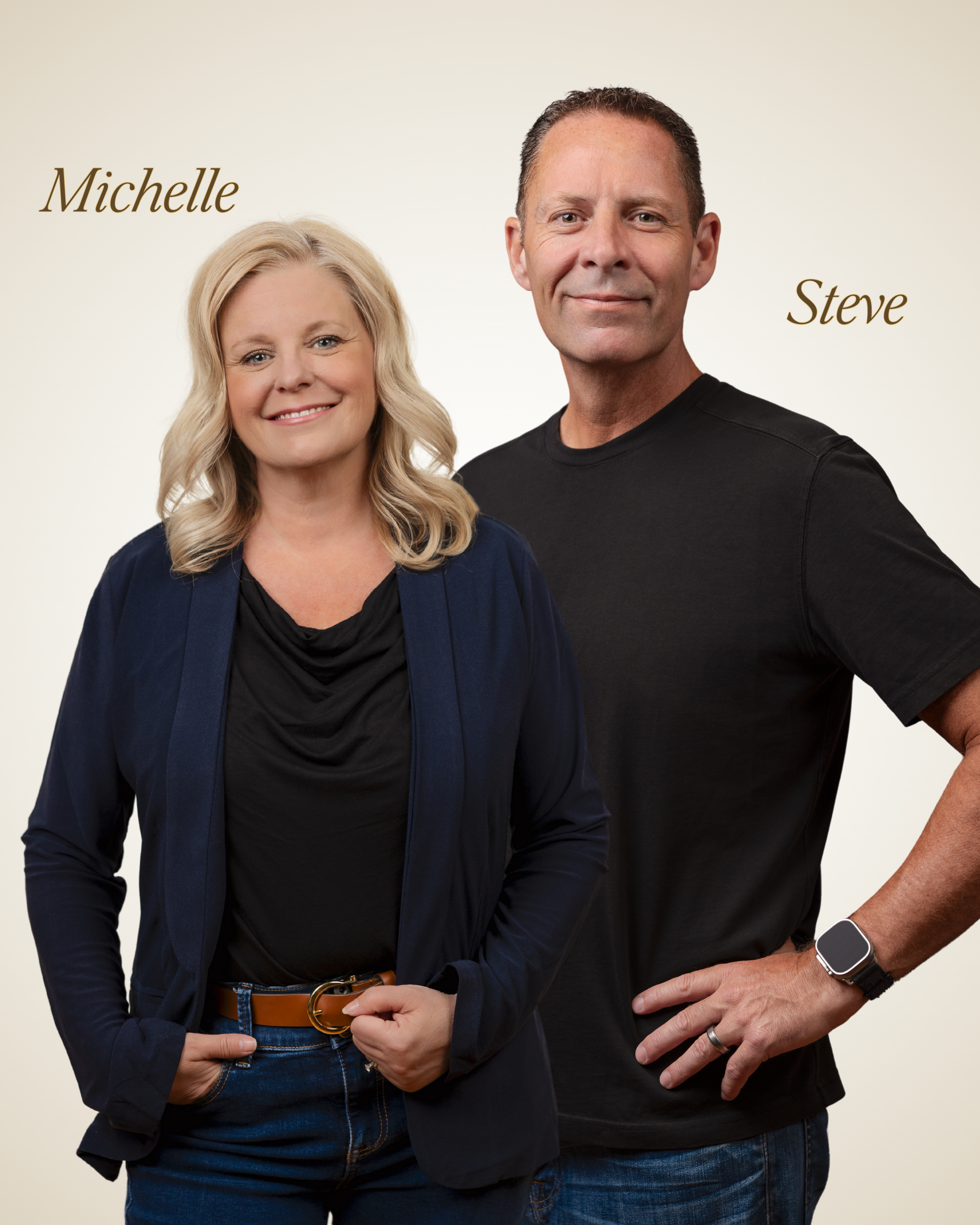
Meet Michelle & Steve
Michelle has spent decades building editorial systems, audience platforms, and media environments designed around trust, emotional recognition, and lived experience.
The deeper thread underneath all of it has stayed remarkably consistent: why so many capable people quietly end up living in a state of cognitive overload while trying to hold everything together.
She knows that terrain personally.
She and Steve both wear hearing aids, which gave them firsthand experience of what it means to spend years compensating without fully realizing how much energy it takes.
Steve discovered his hearing loss later in life after years of unknowingly working harder to follow conversations, noisy rooms, and everyday interactions. Once he could hear clearly again, he started noticing how much easier it became to participate in life instead of merely managing it.
Together, they built Empowerful™ for people who want more moments that actually register while they’re living them.
Not someday. Now.